Image



We work to protect, contain and secure the physical environment using smart geotextile and geosynthetic products.
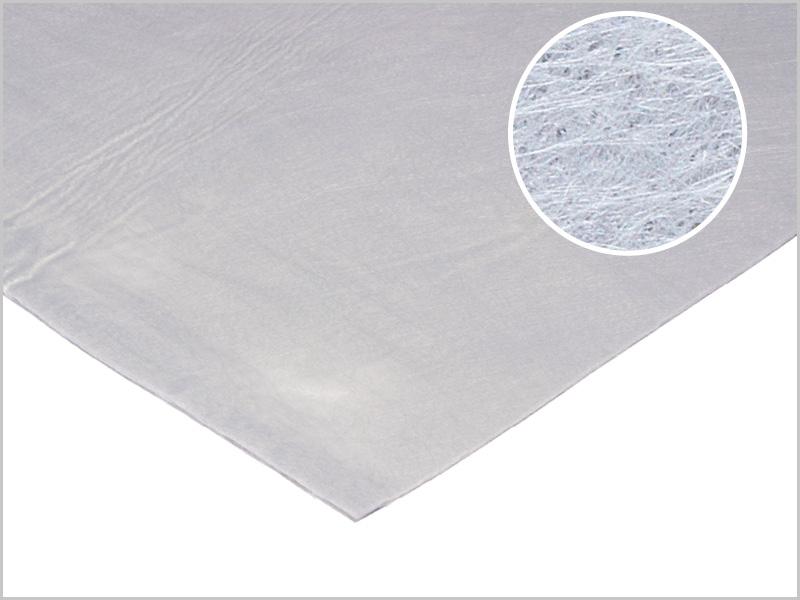
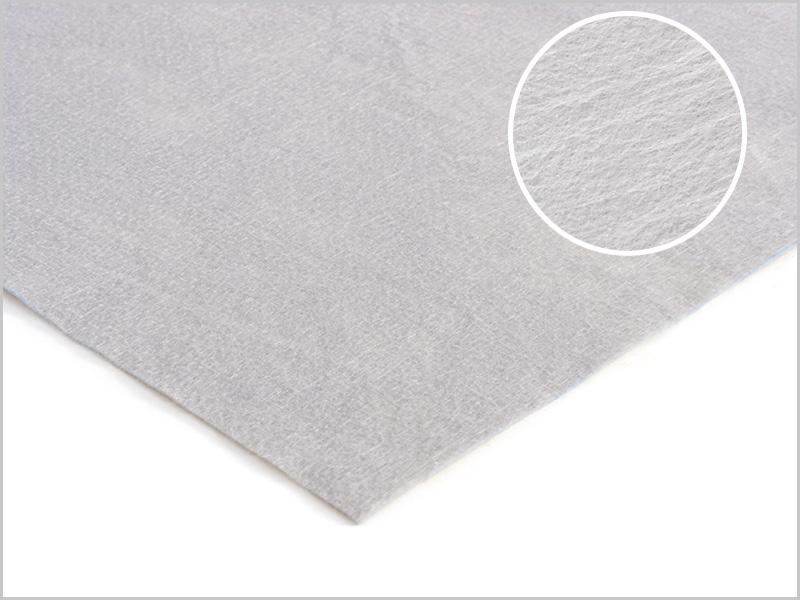
By incorporating recycled material into a number of our products including Bidim® Green, Tracktex® Green, Sealmac Green and Megaflo® Green, Geofabrics is helping to reduce waste to landfill.
When used in large projects, geotextiles have the additional benefit of reducing energy use and carbon emissions as they are lighter and less energy intensive to produce than traditional construction materials such as steel and cement. The use of geosynthetics can also reduce the need to transport and use high quantities of quarried materials and aggregates while achieving the same result.
Geofabrics became the first geosynthetic manufacturer in Australasia to publish independently verified Environmental Product Declarations (EPDs) for Megaflo Green and Bidim Green. Verified to international standards and based on Australian manufacturing data, the EPDs provide transparent environmental performance metrics, including carbon footprint, energy use, water efficiency, and recycled content. This milestone reinforces Geofabrics' commitment to sustainable infrastructure, local manufacturing, and providing customers with credible environmental data to support informed project and procurement decisions.
Erosion and sediment run-off impacts both the land itself and the surrounding waterways. Erosion can be reduced by establishing vegetation using a range of geosynthetic and biodegradable solutions such as Jute Mat and Grassroots. Geoweb can also be used where there is insufficient soil.
Silt fencing and curtains, coir logs and nets can be used to prevent sediment run-off to protect our waterways. Remediation of environmental pollution is both difficult and expensive and the impact on plant and animal life can be catastrophic.
Geotextiles can also be used to prevent erosion to coastal shorelines caused by extreme weather events such as heatwaves, cyclones and floods. To increase the sequestration of blue carbon and lower atmospheric CO2 levels, we are also helping to protect and regenerate mangroves, marshlands and seagrasses.
In 2022, we benchmarked energy and water consumption, carbon and waste generation in our local manufacturing facilities in Victoria and Queensland. We have identified and begun implementing cost-effective opportunities to reduce our environmental impacts whilst increasing productivity and reducing our costs.
The UN Sustainable Development Goals (SDGs) were developed as a plan of action to build a global partnership for sustainable development to improve human lives and protect the environment. We are guided by the UN SDGs and are making changes where we can have the most impact.
When used in infrastructure projects and in the protection of the environment, geosynthetics can help communities and business partners achieve a number
of SDGs.