Image




As infrastructure demands intensify, geogrids are emerging as a critical tool for delivering stronger, more efficient and sustainable assets.
Australia’s infrastructure sector is under increasing pressure to deliver projects that are cost-effective, durable and resilient to changing environmental conditions.
Ageing assets, rising traffic volumes and more frequent extreme weather events are all contributing to a more complex delivery landscape.
At the same time, asset owners are placing greater emphasis on whole-of-life performance, shifting the focus beyond initial construction to how infrastructure performs over decades.
Dennis Grech, Chief Executive Officer and Managing Director of Geofabrics, says these converging pressures are driving a fundamental change in how projects are designed and delivered.
“There has been a clear shift away from traditional overbuild approaches toward smarter, engineered solutions,” Grech says.
Materials that can achieve long-term performance with fewer resources are increasingly in demand, with geosynthetics such as Geofabrics Geogrid playing a central
role in that transition.
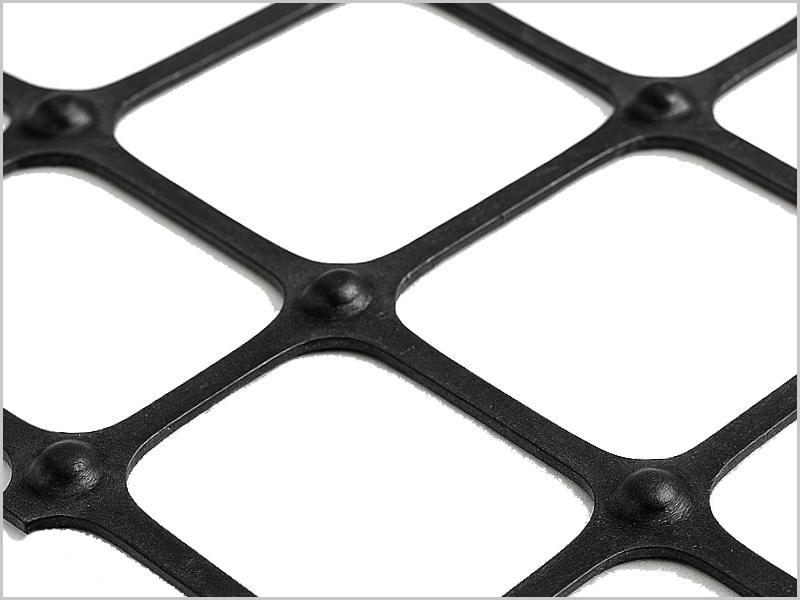
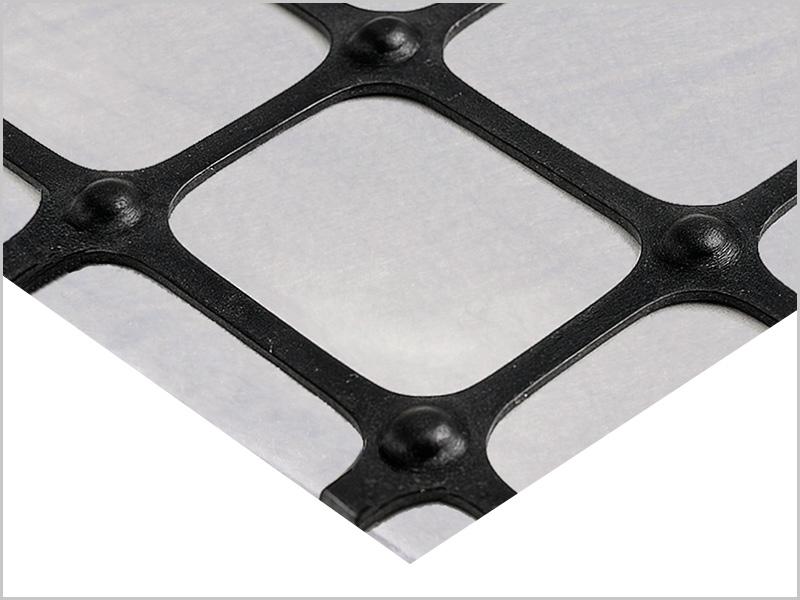
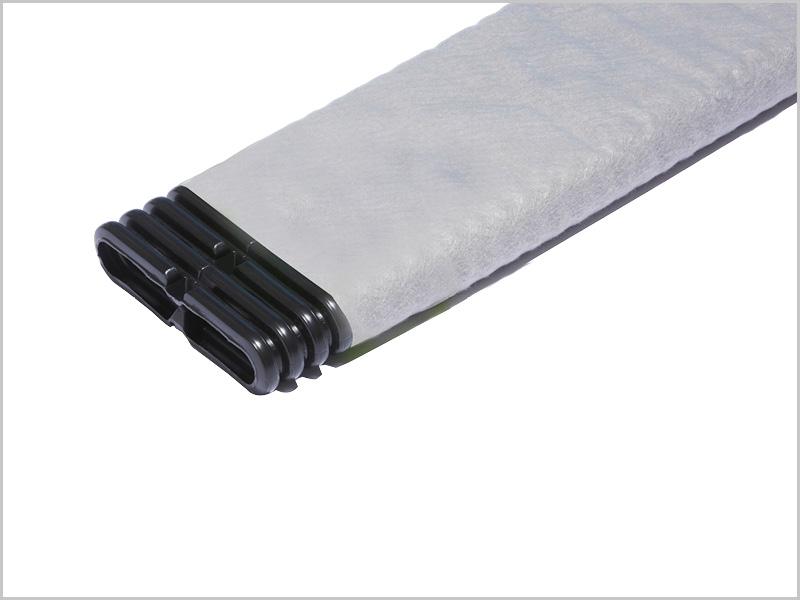
Geogrids are engineered polymer grid structures designed to reinforce soil and aggregate. By interlocking with surrounding materials, they create a mechanically stabilised layer that improves the strength and stiffness of the ground.
Grech explains that this interaction between the grid and aggregate is key to their effectiveness.
“When placed within a pavement or foundation layer, the Geofabrics Geogrid range distribute loads more effectively and prevent lateral movement of aggregate,” he says.
“That allows infrastructure to perform better, even when built on weak or variable soils.”
This capability is particularly valuable given the prevalence of poor ground conditions across many infrastructure projects. Roads, rail corridors and port facilities are often constructed on subgrades that are not naturally suited to supporting modern loads.
Geogrids address this challenge by increasing bearing capacity and controlling settlement, while also reducing rutting and deformation in pavements. They can also help mitigate the impacts of water ingress, which remains one of the leading causes of pavement failure.
“When used alongside other geosynthetics such as Bidim Green and Megaflo Green, the Geofabrics Geogrid range contributes to more resilient pavement systems
that better manage moisture and environmental conditions,” Grech says.
Beyond performance, geogrids also offer practical construction advantages. They enable projects to proceed in difficult ground conditions where traditional methods might otherwise require extensive excavation or ground replacement, reducing both cost and disruption.
Cost efficiency remains a central concern for infrastructure delivery, and geogrids are increasingly being recognised for their economic advantages.
Grech describes them as “a classic example of spending a little to save a lot”, noting that their ability to improve load distribution and stabilise weak ground can significantly reduce the need for imported fill and thick aggregate layers.
In some applications, geogrids can reduce aggregate thickness by up to 30-50 per cent, translating directly into lower material costs and reduced transport requirements. This is particularly beneficial in remote or logistically challenging locations.
“They also accelerate construction,” Grech says. “Installation is straightforward, and because less material is required, projects can move faster.”
However, the most significant savings are realised over the lifecycle of an asset. Reduced maintenance requirements, fewer failures and
extended service life all contribute to a lower total cost of ownership.
Sustainability is another key driver behind the growing adoption of geogrids. By reducing the volume of quarried materials required, they help lower the environmental impact of construction. They also enable the use of lower-quality or recycled fi ll materials, further reducing reliance on virgin resources.
“Because Geogrids extend asset life and reduce maintenance interventions, they help cut emissions over the entire lifecycle of infrastructure,” Grech says.
This alignment with sustainability goals is becoming increasingly important as the sector works toward more circular approaches to construction.
The role of geogrids is also evolving as engineers integrate them more fully into the design process. Rather than being treated as optional addons, they are now being incorporated from the outset, enabling more efficient and optimised solutions.
“What has changed is that Geogrids are becoming integral to design,” Grech says. “Designing with geosynthetics from the beginning allows engineers to make better use of materials and site conditions.”
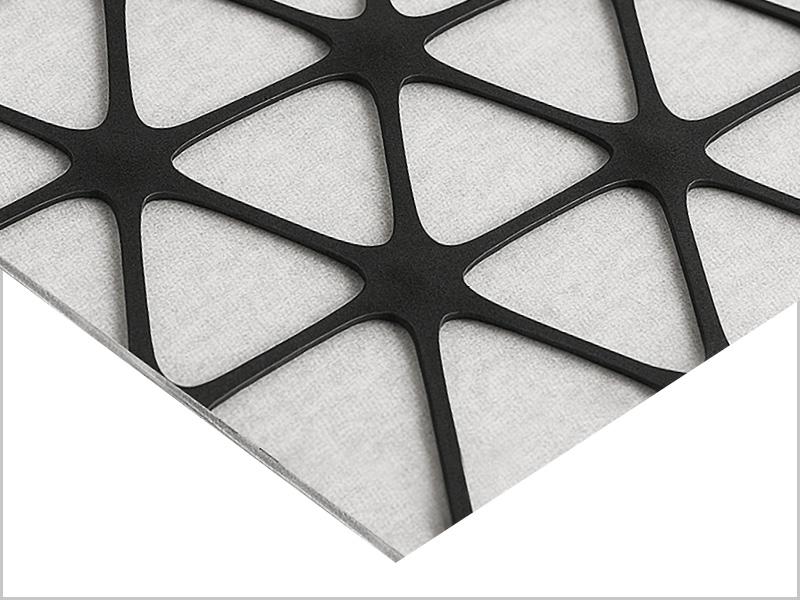
Advancements in product design are further expanding their capabilities. New Geofabrics Geogrid configurations can distribute loads in multiple directions, providing enhanced stabilisation in complex ground conditions.
These innovations are enabling infrastructure to be delivered in locations and environments that would previously have been considered too challenging or cost prohibitive.
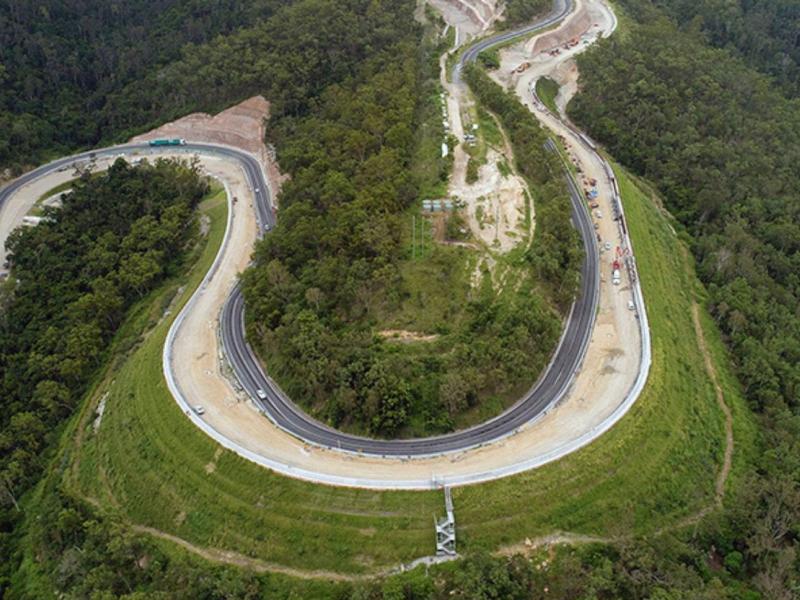
Real-world applications are already demonstrating the impact of these solutions. Grech points to projects where geogrids have enabled significant reductions in pavement thickness, even in very soft ground conditions, helping to avoid delays and reduce costs.
In other cases, they have allowed construction to proceed without the need for deep excavation, reducing environmental disruption while maintaining performance outcomes.
Looking ahead, Grech expects the role of the Geofabrics Geogrid range and other geosynthetics to continue to grow as infrastructure demands increase.
“As conditions become more challenging, the need for smarter, more efficient solutions will continue to rise,” he says.
Greater integration into standard design practices, supported by improved data, modelling and performance tracking, is likely to further embed these materials across the sector.
Ultimately, the focus remains on delivering infrastructure that is stronger, more cost-effective and more sustainable. As projects face mounting pressure to do more with less, geogrids are well positioned to play a key role in meeting those expectations.
First published on Infrastructure